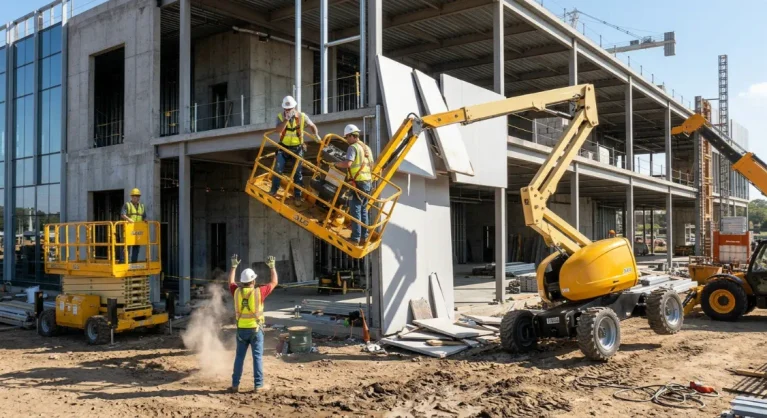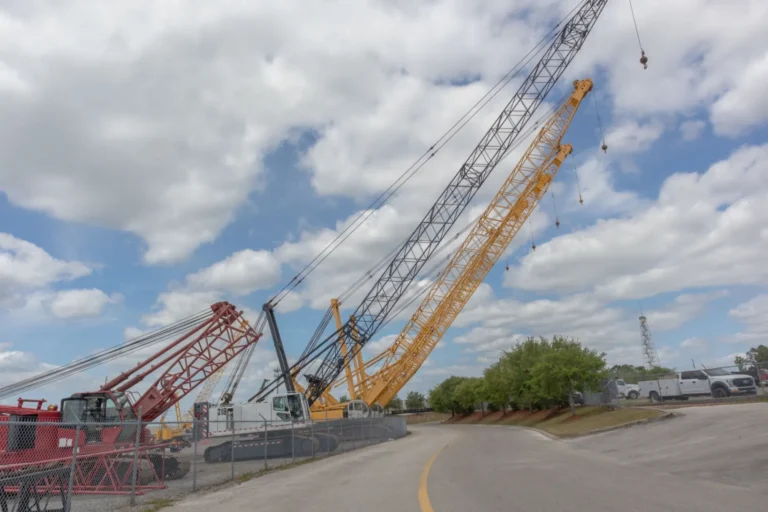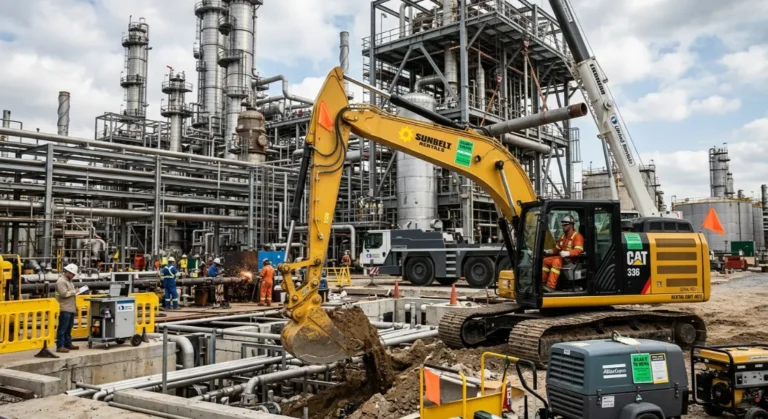
Moving heavy equipment to a giga project site is not the same as moving it across town. The sites are large, remote and spread over very different ground. One site sits on the coast, while another sits high in the mountains. Each needs its own transport plan.
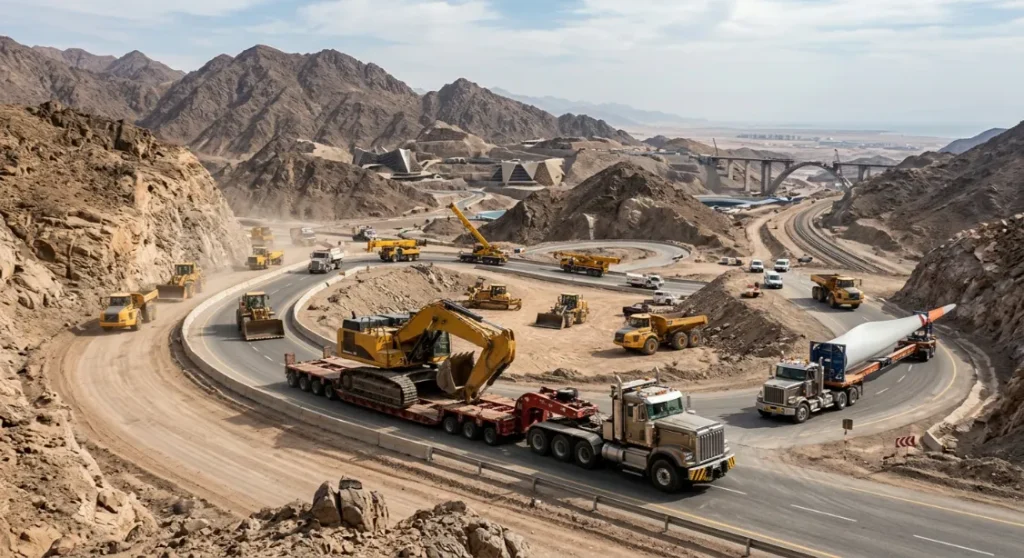
This guide explains how heavy equipment mobilisation to NEOM and Trojena works in practice. It covers planning, permits, transport, site arrival and the delays that catch most teams off guard. If your team is preparing to bid or mobilise, this will help you plan with fewer surprises. You can also read about our NEOM construction contractor services.
What Is Heavy Equipment Mobilisation?
Mobilisation is the full process of getting machines, crews and support items to a job site and making them ready to work. It starts when a contract is awarded and ends when the first machine starts productive work.
For heavy equipment, this includes:
- Excavators, loaders, dozers and graders
- Cranes and lifting equipment
- Compactors and rollers
- Dump trucks and water tankers
- Generators, light towers and small plant
- Workshop containers, fuel tanks and spare parts
Good mobilisation is a plan, not a single truck ride. Missing one document or one spare part can hold up a whole fleet.
Why NEOM and Trojena Need Careful Planning
These projects are not like normal city sites. Three things make logistics harder.
Long distances. Equipment often travels hundreds of kilometres from the yard or the port. Long trips mean more fuel stops, more driver hours and more chances for a breakdown.
Different ground and climate. Coastal sites have sand, wind and heat. Mountain sites have steep roads, sharp bends and cold weather. A trailer setup that works on flat desert may not work on a mountain road.
Strict site rules. Large projects have tight rules for safety, gate access, delivery times and equipment condition. A machine that arrives without the right papers can be turned away at the gate.
Build the Mobilisation Plan Early
- What machines and items are moving?
- Where are they coming from?
- What is the delivery date for each item?
- Who is responsible for each step?
- What happens if something is late?
Make an Equipment List With Real Dimensions
List every item with its weight, length, width and height. Use the actual machine numbers, not the brochure numbers. Attachments, buckets and breakers change the size and weight of a load.
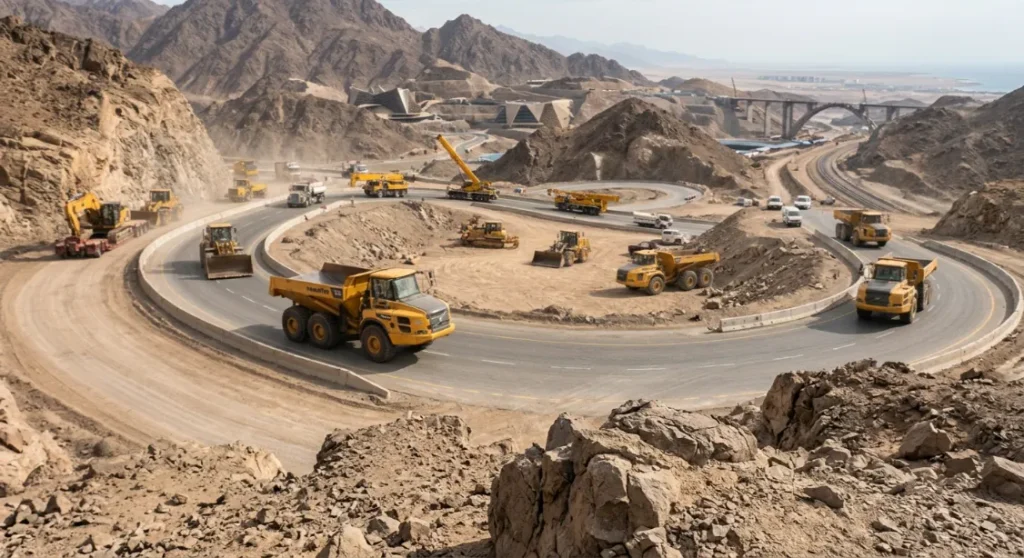
This list decides the trailer type, the permit type and the route. It also helps you group items so that each trip is used well.
Set a Delivery Order
Do not send everything at once. Send the machines that open the site first. Survey tools, small excavators and site setup items usually go before large compaction or lifting equipment. This keeps the site working while the rest of the fleet is still on the road.
Survey the Route Before You Move
A route survey checks the road from start to finish. It finds the problems before a loaded trailer finds them for you.
- Bridge limits and underpass heights
- Narrow sections and tight turns
- Steep grades, especially on mountain approaches
- Overhead power lines and signs
- Soft shoulders and unpaved access roads
- Places where a long trailer can park and turn
For mountain sites, pay close attention to grades and bends. A lowbed with a heavy load needs wide turning room and a strong prime mover. Some roads may need a second pulling unit or an escort vehicle.
Plan Rest Stops and Fuel
Long hauls need safe places to stop. Plan driver rest, fuel and basic checks at set points. A planned stop costs minutes. An unplanned stop on a narrow road can cost a day.
Choose the Right Transport
The right trailer depends on the machine. Using the wrong one is unsafe and often illegal.
Lowbed Trailers
Lowbeds carry tall and heavy machines such as excavators, dozers and loaders. The low deck keeps the load under height limits. Check the axle load before you book, because a heavy machine on a light trailer will not pass inspection.
Flatbeds and Standard Trucks
Smaller machines, containers and spare parts can go on flatbeds. Group these items to fill each truck. Half empty trucks waste money.
Modular and Multi Axle Trailers
Very heavy loads, such as large cranes or processing plant parts, may need modular trailers. These spread the weight across many axles. They need more planning time, more permits and a clear route.
Self Drive Machines
Some machines, such as dump trucks and water tankers, can travel on their own wheels. This saves trailer costs on short trips. On long trips it adds wear, so most teams still prefer to haul them.
Get Permits and Papers Ready
Oversize and overweight loads need approval before they move. Every trip needs the right papers on the truck, or it can be stopped.
- Route and load permits for wide, tall or heavy loads
- Driver licences and vehicle registration
- Insurance for the load and the vehicle
- Equipment ownership or rental papers
- Inspection and safety certificates for lifting gear
- Site entry approvals and delivery slots
- Customs papers if machines come from outside the country
Start the paperwork early. Approval times can change, and a missing paper is one of the most common reasons for delay.
Load and Secure the Equipment Safely
A load that shifts on the road is dangerous. Follow these simple rules:
- Inspect each machine before loading and take photos of its condition
- Lower buckets, blades and booms and lock them in place
- Use rated chains, straps and binders, and count them before departure
- Check that tyre pressure and brakes are good on both truck and trailer
- Drain or secure fuel and loose fluids as needed
- Remove or tie down anything loose on the machine
Photos and condition reports protect everyone. If a machine is damaged on the way, you have clear proof of how it left the yard.
Plan the Arrival at Site
Arrival is where many mobilisations go wrong. Trucks arrive, but there is nowhere to unload, no one to receive the machine, or the gate is closed.
Prepare these before the first truck arrives:
- A flat, firm unloading area with enough turning space
- A crane or ramps ready for unloading
- A banksman or site guide to direct trucks
- Gate approvals and a delivery schedule shared with site security
- Basic induction for drivers and operators
- A place to park and inspect machines after the trip
Set Up Support on Site
Machines do not work well without support. Plan these early:
Fuel storage and refuelling points
A small workshop for repairs
A stock of common spare parts, filters and tyres
Trained operators and mechanics
Safe parking and night security for equipment
Remote sites are far from the nearest supplier, so a missing part can stop a machine for days. Bring more spares than you think you need. Our Manpower Service can supply trained operators and technicians for the same mobilisation.
Common Delays and How to Avoid Them
Late or missing permits. Apply early and keep copies in every truck.
Wrong trailer for the load. Confirm weights and sizes before you book.
Weather. Wind, dust, rain and cold can slow trips or close roads. Add buffer days to the schedule.
Poor site readiness. Prepare the unloading area before trucks leave the yard.
Machine breakdowns on the way. Service every machine before departure and send a recovery plan with the convoy.
Unclear roles. Name one person who owns the mobilisation and can make fast decisions.
Own Fleet or Rented Equipment?
Many teams mix both. Your own machines may cost less per day, but they cost money to move and maintain far from base. Rented machines can arrive ready and can return when the job ends.
A rental fleet with operators can also cut mobilisation time because you skip some of the paperwork and loading. See our Equipment Rental options for operated and bare hire.
A Simple Mobilisation Checklist
Use this list before each convoy leaves:
- Equipment list with weights and sizes confirmed
- Route surveyed and approved
- Permits and papers in the truck
- Trailers matched to each load
- Loads secured and photographed
- Escorts and drivers briefed
- Site gate and unloading area ready
- Spare parts and fuel arranged
- Operators and inspection staff in place
Frequently Asked Questions
How long does heavy equipment mobilisation to NEOM take?
It depends on the distance, the size of the fleet and how fast permits come through. A small package can move in days. A full fleet with cranes and large plant can take several weeks. Starting the plan early is the best way to shorten the schedule.
What type of trailer is best for moving an excavator?
A lowbed trailer is the usual choice. It keeps the machine under height limits and carries the weight safely. Always check the machine’s real weight, including attachments, before you book.
Do I need special permits to move heavy equipment?
Yes, for any load that is wide, tall, long or heavy beyond normal limits. Permits are tied to the route and the load. Keep them with the driver at all times.
Why is mobilisation to Trojena harder than to a flat site?
The road climbs and bends, and the weather can be cold and wet. Trailers need more power and more turning room. Planning for grades, escorts and weather gives safer and more reliable trips.
How can I reduce mobilisation costs?
Group loads to fill each truck, send items in the right order, prepare the site before arrival and avoid last minute changes. Using a local fleet near the site also cuts transport distance.
Plan Your Mobilisation With FSAK Contracting
FSAK Contracting has over 20 years in the construction sector. We offer a fleet with trained operators, operated and bare hire, and flexible daily, weekly and monthly terms. If your team is planning heavy equipment mobilisation to NEOM or Trojena, we can help you build a clear plan and move on schedule.