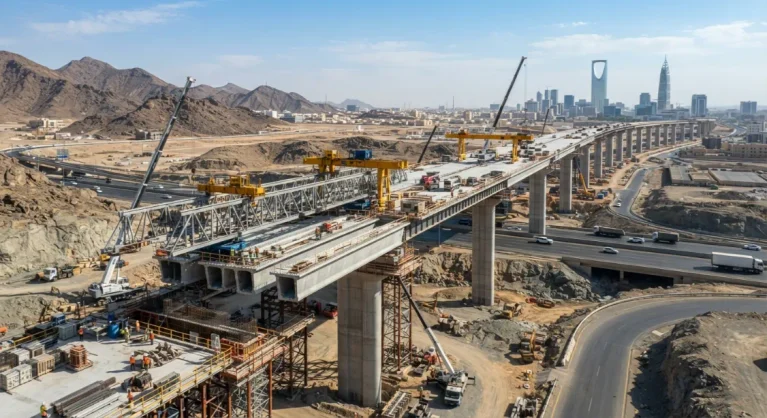
Water is one of the biggest problems on any excavation. If it is not controlled, it softens the ground, slows your crew, and can damage the work you have already done. Good dewatering techniques keep the site dry so you can dig, lay foundations, and build on firm soil.
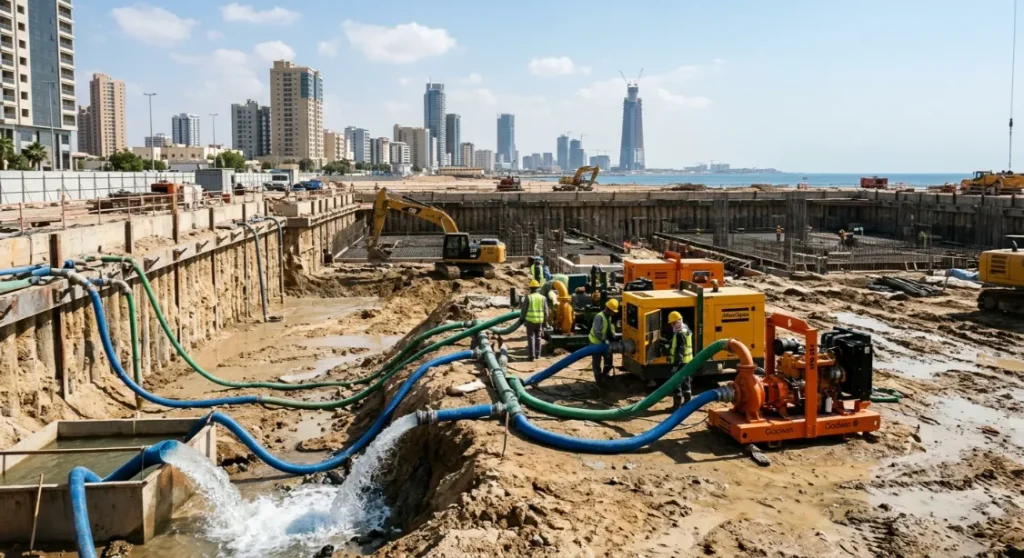
In this guide, we explain the main construction dewatering methods, how each one works, and how to choose the right one for your site. It is written in simple words so site owners, engineers, and project managers can all follow it.
What Is Dewatering and Why Does It Matter?
Dewatering means removing water from the ground or from an open excavation. The water can come from rain, from the soil itself, or from a high water table below the surface.
A wet site causes real problems:
- Trench walls can slump or collapse
- Foundations may sit on weak, soaked soil
- Machines get stuck and work stops
- Concrete may not cure the way it should
- Costs go up because of delays and repair work
Good groundwater control protects your crew, your equipment, and your schedule.
The Main Dewatering Techniques
There is no single method that fits every job. Soil type, depth, and water flow decide what works best. Here are the most common options.
Sump Pumping
Sump pumping is the simplest method. You dig a small pit, called a sump, at the lowest point of the excavation. Water flows into the pit, and a pump removes it.
It works well for shallow digs, clay soils, and small amounts of water. It costs less than other methods and is quick to set up. The limit is that it does not work well in loose sand, because the water can carry soil into the pit and weaken the sides.
Well point Dewatering
Well point dewatering uses a line of small pipes, called wellpoints, pushed into the ground around the dig. They connect to a header pipe and a strong suction pump. The pump pulls water out and lowers the water level around the work area.
This method suits sandy and silty soils and works well for long trenches and pipeline work. It is usually used for depths up to about six meters in one stage. For deeper work, crews set up wellpoints in several levels.
Deep Well Dewatering
For deep excavations, deep well dewatering is often the better choice. A large well is drilled outside the dig, and a submersible pump sits inside it. Several wells can work together to lower the water level across a big area.
It costs more to set up, but it handles large water flow and deep digs very well. It is common for basements, large foundations, and heavy structures.
Open Ditch and Channel Drainage
When the site has a slope, gravity can do some of the work. Ditches and channels guide surface water away from the dig to a collection point. This method helps with rainwater and runoff, and it is often used along with pumping.
Cut off Walls and Sheet Piling
Sometimes the better plan is to stop the water from entering at all. Sheet piles or other barriers are driven into the ground around the excavation. They block water and also hold the soil in place. Crews often pair this with pumping to keep the inside dry.
How to Choose the Right Method
Ask these questions before you pick a method:
- What is the soil like? Sand and gravel let water through fast. Clay holds water and drains slowly.
- How deep is the dig? Shallow work can use sumps. Deep work needs wells.
- How high is the water table? A very high water table needs a stronger system.
- How long will the work last? Short jobs can use simple setups. Long jobs need a steady, planned system.
- What is nearby? Roads, buildings, and pipes can settle if too much water is pulled out too fast.
A soil test and a water level check give you the facts. Guessing is how projects end up with flooded trenches and extra cost.
Special Care for Salty and Coastal Ground
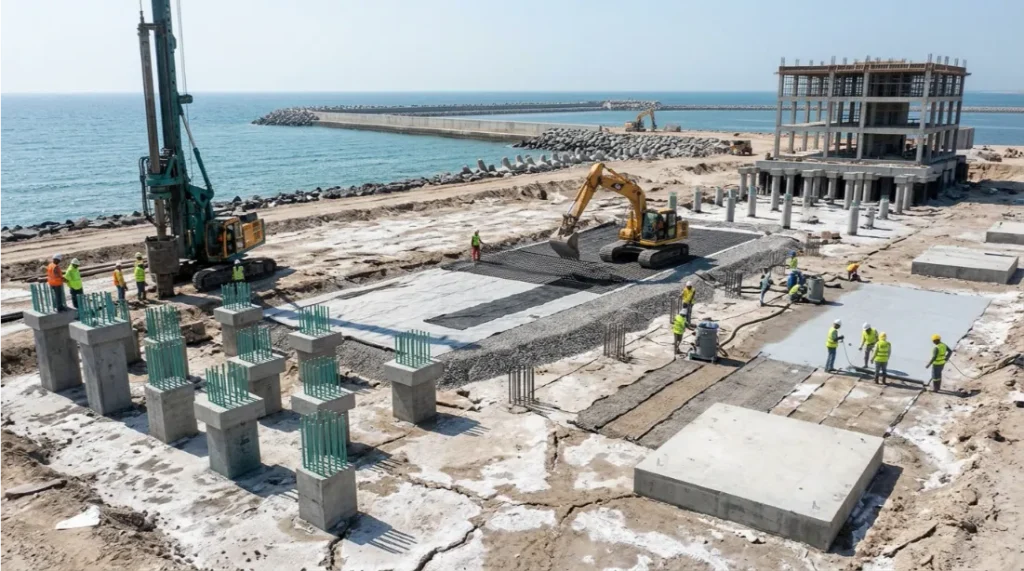
Ground near the coast often holds salty water, and the water table can sit close to the surface. Salty water can eat away at pumps, pipes, and fittings, so crews need equipment made for it. Weak, salt rich soils also need care, as we explain in our blog on sabkha soil treatment. Pulling out too much water too fast can make the ground sink, so the pumping rate must be controlled.
Where the Pumped Water Goes
Many people forget this part. Pumped water must be moved away and released in a safe way. Plan this before you start:
- Use clean pipes or hoses long enough to carry water well away from the dig
- Let muddy water settle in a tank or pit before release
- Make sure discharge does not flood nearby land or roads
- Keep records of how much water you remove
Keep the System Working
A dewatering system is not a set and forget job. Check it every day:
- Look at pump flow and fuel or power supply
- Clear clogged filters and intakes
- Watch the water level in test pipes around the site
- Keep a backup pump ready in case one fails
If a pump stops overnight, the dig can fill up again, and you lose days of work.
How FSAK Can Help
Dewatering is part of good site preparation. Our team plans the water control together with excavation, grading, and soil work, so everything fits in one schedule. If you want a dry, safe site that is ready for building, take a look at our earthworks contractor services, or contact us for a site assessment.
Frequently Asked Questions
What is the most common dewatering technique?
Sump pumping is the most common because it is simple and low in cost. It works best on shallow digs with small water flow. For bigger jobs, wellpoint and deep well systems are used more.
How do I know which dewatering method I need?
Start with a soil test and a water level check. The soil type, dig depth, and water flow tell you which method fits. An experienced contractor can read these results and suggest the right setup.
Can dewatering damage nearby buildings?
It can if it is done badly. Removing too much water too fast can make the soil settle. A good plan controls the pumping rate and tracks ground movement near existing structures.
How long does dewatering take?
It depends on the site. A small sump setup can start working in a day. Wellpoint and deep well systems need more time to install, and the water level may take several days to drop to the needed level.
What happens if I skip dewatering?
Trenches can collapse, foundations can sit on weak soil, and work can stop. Repairs and delays usually cost far more than a proper dewatering plan.