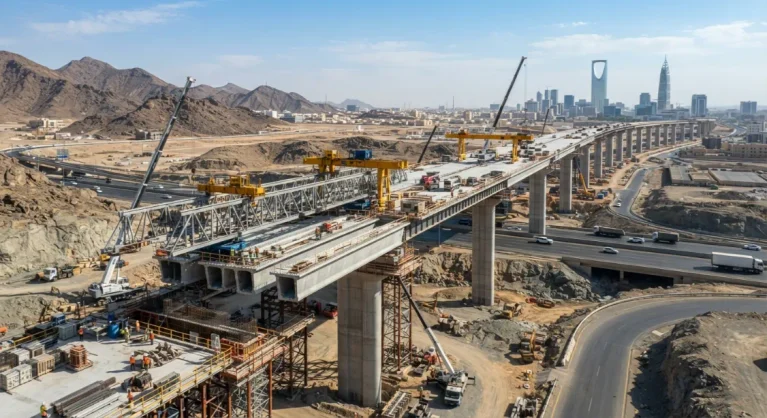
The difference between wet hire and dry hire comes down to one thing: who sits in the cab. Wet hire means the crane arrives with a trained operator and a support crew. Dry hire means you get the machine only, and your own team runs it.
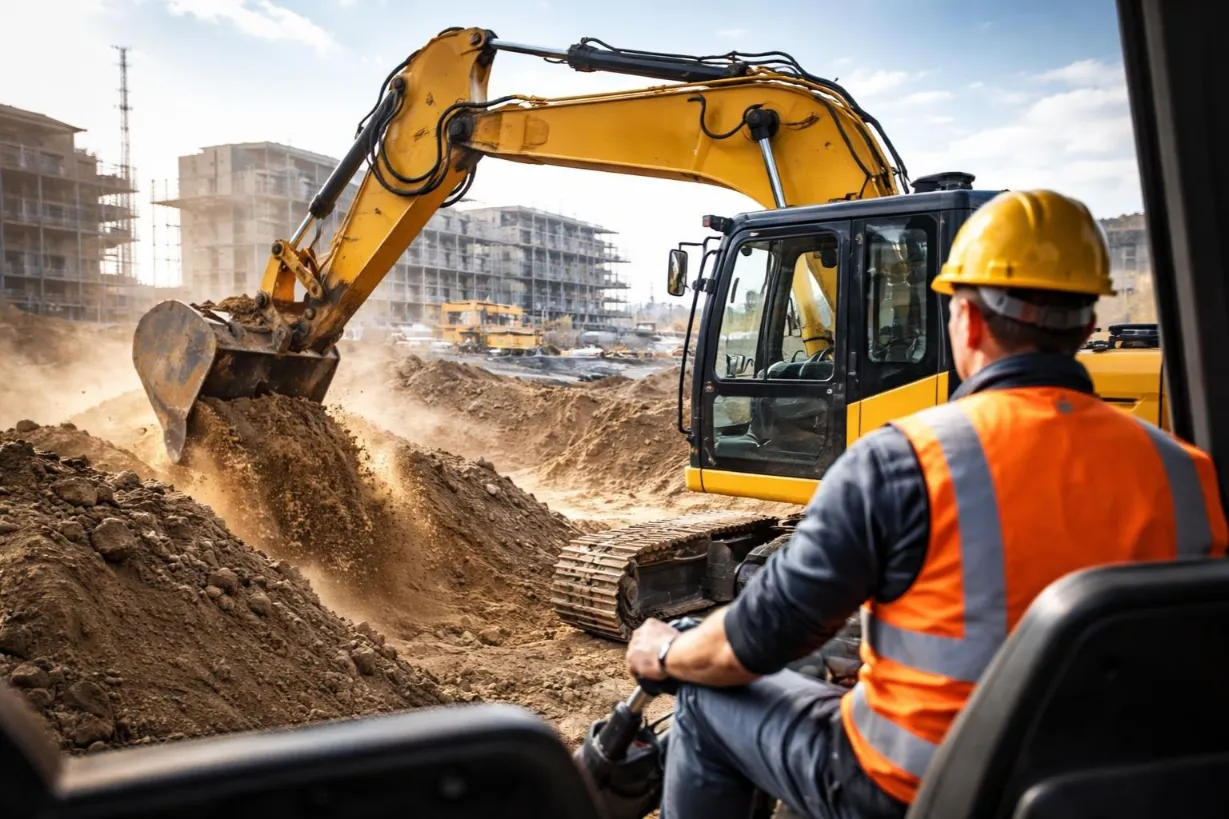
That single difference changes your rate, your insurance, your paperwork and your exposure if something goes wrong on the lift. Most teams pick the wrong one because they compare day rates and stop there.
This guide explains both options in plain terms, shows what each one really costs once you add everything up, and gives you a checklist to run before you sign anything.
What is wet hire?
Wet hire is a crane supplied with a certified operator, and often with a slinger or banksman as well. The hire company employs the crew, covers their wages, insurance and certification, and keeps the machine serviced.
You tell the supplier what you need lifted, how heavy it is, and where it has to land. They bring the right machine and the people who know how to run it.
Wet hire is also called operated hire or operated and maintained hire. In most crane work it is the default, because cranes are not general plant. A crane needs a load chart read correctly, outriggers set on ground that will take the pressure, and a lift plan that accounts for radius, wind and swing path.
What is usually included in a wet hire rate:
- The machine itself
- A certified operator for the agreed shift
- Operator wages, accommodation and transport where relevant
- Routine servicing and maintenance
- Plant insurance on the machine
- In many cases, fuel and a rigging crew
What is dry hire?
Dry hire is the machine on its own. The crane is delivered to your site and your team supplies everyone who touches it, from the operator to the rigging crew.
You take on fuel, daily checks, site level maintenance, and the responsibility for running the machine within its limits. The hire company still owns and insures the asset, but your people are operating it, so your people carry the operational duty.
Dry hire suits contractors who already employ certified crane operators and who have the supervision and safety systems to back them up. It is sometimes called bare hire or bare rental.
What you take on with dry hire:
- Certified operators and rigging crew
- Fuel and daily consumables
- Pre start checks and logbooks
- Operator competency records and training files
- Your own lift plans and method statements
- Any operator error that damages the machine, the load or the site
Wet hire vs dry hire at a glance
| Wet hire | Dry hire | |
|---|---|---|
| Operator | Supplied by the hire company | Supplied by you |
| Headline rate | Higher | Lower |
| Operator wages and cover | Included | Your cost |
| Fuel | Often included | Usually yours |
| Maintenance | Hire company | Shared, you handle daily checks |
| Operator competency records | Hire company holds them | You hold them |
| Operational risk on the lift | Mostly with the supplier | Mostly with you |
| Setup speed | Fast, crew arrives ready | Depends on your crew availability |
| Best for | Short jobs, one off lifts, specialist machines | Long programmes with in house operators |
Who carries the risk in each option?
Under wet hire, the supplier carries most of the operational risk, because the operator is their employee working to their training and procedures. Under dry hire, that risk moves to you the moment your operator climbs in.
This is the part that catches people out. A crane accident is rarely a small claim. A dropped load can take out finished works, a scaffold, a service line or a person. When your operator is on the controls, your insurance, your safety file and your supervision are what get examined.
Read the hire agreement carefully on three points:
- Damage to the machine. Who pays for operator error, as opposed to fair wear or mechanical failure?
- Damage to third parties and the load. Whose policy responds first, and what is the excess?
- Downtime. If the crane breaks down, do you keep paying for the hours it stood idle?
Suppliers write these clauses differently. Two quotes that look identical on rate can be very far apart on exposure.
What you actually pay for
A wet hire rate looks more expensive because it is bundled. A dry hire rate looks cheaper because the costs sit on your side of the page.
Put them side by side properly before deciding. For dry hire, add:
- Operator wages for the full hire period, including days the crane is not lifting
- Rigging crew and banksman cover
- Fuel and consumables
- Transport and accommodation for crew if the site is remote
- Insurance loading for operated plant
- Training and certification renewals
- Supervision time to write and check lift plans
Once those are on the sheet, short hires almost always favour wet hire, and long hires with an existing crew start to favour dry hire. The cross over point depends on how busy you can keep both the machine and the operator.
When wet hire is the better call
- The hire is short. A few days of lifting does not justify mobilising your own operator.
- The lift is complex. Tandem lifts, tight radius work, or loads near the edge of the chart need someone who runs that machine every week.
- The machine is unfamiliar. A crawler or a large all terrain crane behaves nothing like the small mobile your team is used to.
- Your operators are already committed elsewhere. Pulling a certified operator off another job to save on a rate usually costs more somewhere else.
- You want one accountable party. If the crane, the crew and the method statement all come from the same supplier, there is no gap to argue over later.
When dry hire makes sense
- You already employ certified operators who would otherwise be underused.
- The hire runs for months, so the saving on the operator element compounds.
- The work is repetitive and well understood, such as steady material handling on a familiar site.
- You want full control of the schedule, including shift patterns and overtime, without renegotiating crew hours with a supplier.
- Your safety systems are already built, with current competency records, lift plans and supervision in place.
If you are unsure whether your records would stand up to a client audit, that is usually a sign to take the operated option.
The wet hire and dry hire choice does not stop at the crane. Most lifting jobs sit inside a bigger earthworks scope, and the other machines on site follow the same rules. Before a crane can set up, the ground has to be cleared, levelled and compacted. That is where earthmoving equipment rental in Saudi Arabia helps, with dozers, loaders and graders that prepare a firm base for the outriggers. Once lifting starts, material has to move in and out without slowing the crane, so many teams add dump truck rental to the same plan. Both can be hired with an operator or on their own, so you can match each machine to the crew you already have. Planning the crane, the earthmoving machines and the trucks together means fewer idle hours and fewer gaps between suppliers.
The hidden cost most teams forget: idle time
A crane rarely lifts for eight straight hours. It waits for deliveries, for the slab to cure, for the next trade to clear the zone.
Under wet hire, you are often paying for a crew during that wait. Under dry hire, you are paying your own crew for the same wait, plus the machine. Either way, the fix is the same: sequence the lifts before the crane arrives, group them into blocks, and agree a realistic shift pattern with your supplier.
A short planning conversation before mobilisation saves more money than squeezing the day rate.
Nine questions to ask before you sign a crane hire agreement
- Is the operator certified for this exact class and capacity of machine?
- Who writes the lift plan, and who approves it?
- Does the rate include fuel, transport, mobilisation and demobilisation?
- What happens to the rate during standby and idle hours?
- Who pays if the crane breaks down mid shift?
- What is the notice period for extending or ending the hire?
- Has the ground bearing capacity been checked against the outrigger loads?
- Who supplies the slinger and banksman?
- Are maintenance and inspection records available on request?
If a supplier hesitates on any of these, that is information too.
How FSAK Contracting handles crane hire
FSAK Contracting runs its own equipment fleet alongside its contracting work, which means a crane can come to you as a standalone hire or as part of a wider scope of works. You can see the full range on our crane and lifting equipment hire page.
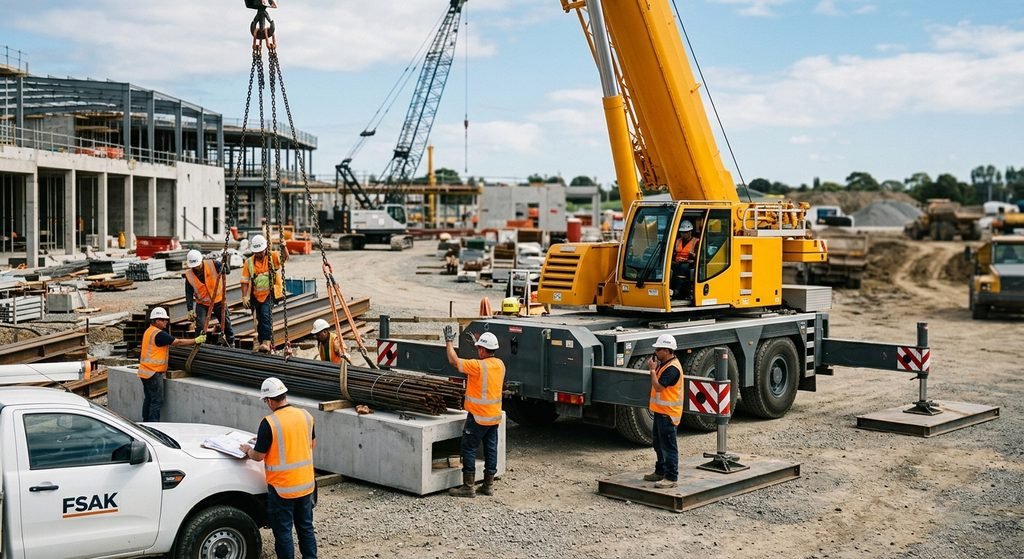
That mix matters on site. A supplier who only rents machines hands over the keys and leaves. A contractor who also rents can look at your programme, tell you whether the lift sequence actually works, and bring the earthworks or access crew that the crane depends on. Our equipment rental service sits inside a full civil contracting operation with more than twenty years of delivery behind it.
If you are weighing hire against handing the whole package to one team, our contracting division takes on the plant, the people and the programme together. You can see how that works in practice across our completed project portfolio.
Not sure which option fits your lift? Send us the load weights, the radius and the site access details, and we will tell you straight which one is cheaper for your job, even if it is the one with the lower margin for us.
Frequently asked questions
Does wet hire always cost more than dry hire?
The headline rate is higher, but the total often is not. Wet hire bundles the operator, insurance, maintenance and usually fuel into one figure. Once you add operator wages, crew cover and consumables to a dry hire rate, short hires frequently end up cheaper on the operated option.
Can I switch from wet hire to dry hire during a project?
Usually yes, if the supplier agrees and your operator holds the right certification for that machine class. Get the change in writing before the handover, because the insurance and liability position shifts the moment your operator takes the controls.
Who is responsible if the crane is damaged on a dry hire?
Generally you are, where the damage comes from how the machine was operated. Mechanical failure and fair wear normally sit with the owner. The exact split lives in the hire agreement, so read the damage and exclusions clauses before signing.
What does a wet hire operator not cover?
The operator runs the crane. They are not usually your rigger, your lift supervisor or the person who signs off your method statement unless that is written into the contract. Confirm who provides the slinger and banksman before the machine arrives.