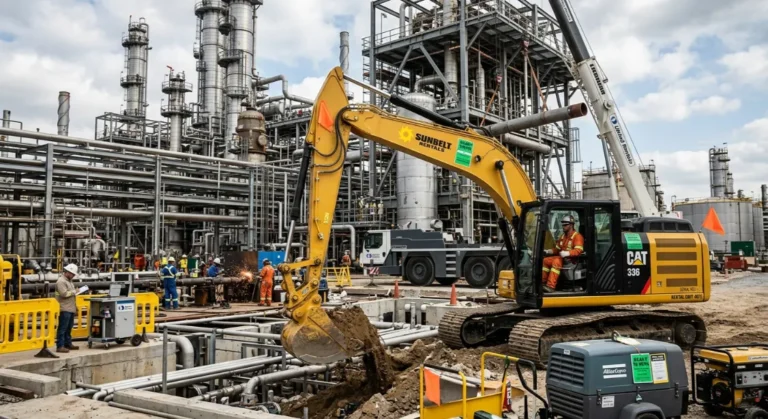
Saudi Arabia’s construction industry is experiencing an extraordinary boom. With Vision 2030 driving mega-projects such as NEOM, The Red Sea Project, and the Riyadh Metro, contractors across the Kingdom face a critical decision: should they rent or purchase heavy equipment outright?
The debate around equipment rental vs ownership in Saudi Arabia is not just about cost. It touches on cash flow management, project flexibility, maintenance responsibilities, and long-term profitability. Whether a small subcontractor in Jeddah or a large infrastructure firm in Dammam, this decision can shape an entire business strategy.
In this guide, the key differences between renting and buying construction machinery are explored in detail, so that the right choice can be made based on your project requirements. If you are already considering flexible options, FSAK Contracting offers trusted heavy equipment rental services across Saudi Arabia with well-maintained fleets and experienced operators.
Table of Contents
Why This Decision Matters More Than Ever in KSA
The construction equipment rental market in Saudi Arabia was valued at approximately USD 1.3 billion in 2025, and it is projected to reach USD 2.3 billion by 2034. This growth reflects a clear industry-wide shift: more contractors are choosing rental models over ownership to stay agile and financially lean.
Several factors are driving this trend:
- Massive government spending on infrastructure, including SAR 35 billion allocated for transportation and infrastructure in FY2026.
- Rising demand for specialised machinery that is only needed for specific project phases.
- The harsh Saudi climate (extreme heat, dust, and sand) accelerates wear and increases maintenance costs for owned equipment.
- A growing preference for integrated equipment-and-operator solutions, which rental companies are well-positioned to provide.
Key Benefits of Renting Heavy Equipment in KSA
For many contractors in KSA, the benefits of heavy equipment rental far outweigh the perceived advantages of ownership. Here is why:
1. Lower Upfront Investment
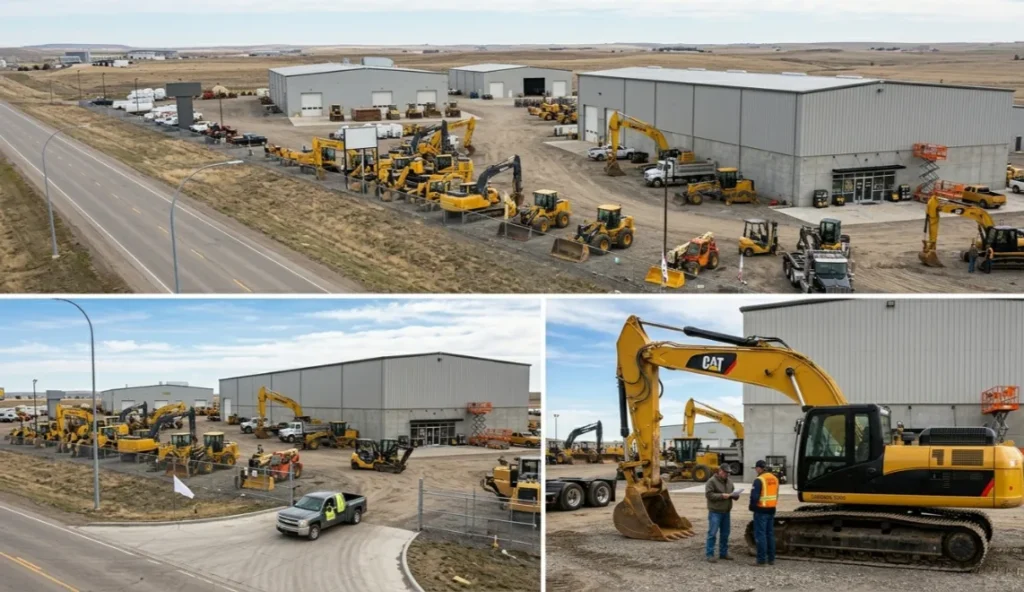
Purchasing heavy machinery requires significant capital. The average cost of buying construction equipment in Saudi Arabia can range from SAR 500,000 to well over SAR 2 million per unit. With rental, that capital is preserved and can be redirected towards labour, materials, or securing new contracts.
2. No Maintenance Burden
When equipment is rented, the maintenance and servicing responsibilities are typically handled by the rental provider. This is particularly valuable in Saudi Arabia, where extreme temperatures put additional strain on engines, hydraulics, and cooling systems. Companies like FSAK Contracting ensure that every piece of rented machinery is inspection-ready and maintained to the highest standards.
3. Flexibility to Scale Up or Down
Construction projects rarely have consistent equipment needs throughout their lifecycle. During the earthworks phase, excavators and bulldozers are essential. Later, cranes and concrete pumps take over. Renting allows contractors to match their fleet precisely to each phase, without being stuck with idle machinery.
4. Access to Modern, Updated Machinery
Rental fleets are regularly upgraded with the latest models. This means better fuel efficiency, improved safety features, and compliance with evolving environmental standards. For projects in Riyadh, where regulations are becoming stricter, having access to modern construction equipment for hire is a significant operational advantage.
5. Reduced Financial Risk
Owned equipment depreciates over time, and resale values can be unpredictable. Renting converts a large, fixed capital expense into a manageable, predictable operating cost. This is especially important for small and mid-sized contractors managing tight budgets.
When Does Buying Construction Equipment Make Sense?
While the advantages of renting are compelling, the cost of buying construction equipment in Saudi Arabia can be justified in certain scenarios:
- The equipment will be used continuously for several years across multiple back-to-back projects.
- The company has an in-house maintenance team capable of handling repairs and servicing.
- Specialised modifications are needed that rental providers cannot accommodate.
- Long-term utilisation rates consistently exceed 70 to 80 percent, making ownership more cost-effective per hour of operation.
However, even in these cases, the hidden costs of ownership should be carefully considered. Storage, insurance, licensing, operator training, and eventual disposal or resale all add to the true cost of owning equipment.
Rental vs. Ownership: A Side-by-Side Comparison
| Factor | Renting | Buying |
| Upfront Cost | Low (pay per use) | Very high (SAR 500K to 2M+) |
| Maintenance | Handled by rental provider | Owner’s full responsibility |
| Flexibility | Scale up or down per project | Fixed fleet, limited adaptability |
| Equipment Age | Regularly updated fleet | Depreciates over time |
| Cash Flow Impact | Predictable operating expense | Large capital outlay |
| Idle Equipment Cost | None (return when not needed) | Storage, insurance, and upkeep |
| Operator Support | Often included in rental | Must hire and train separately |
| Best For | Short to mid-term, varied projects | Long-term, high-utilisation operations |
Rent vs. Buy Machinery in Riyadh: What Local Contractors Should Know
Riyadh is at the centre of Saudi Arabia’s construction transformation. With projects such as King Salman Park, Diriyah Gate, and massive residential developments, the demand for heavy machinery is at an all-time high. For contractors evaluating rent vs buy machinery in Riyadh, several local factors should be considered:
- Project timelines in Riyadh are often aggressive, and rental allows for faster mobilisation without waiting for procurement.
- Traffic congestion and site access challenges mean that having a local rental partner with on-ground logistics is invaluable.
- Regulations around equipment standards and operator certification are being tightened, making well-maintained rental fleets the safer choice.
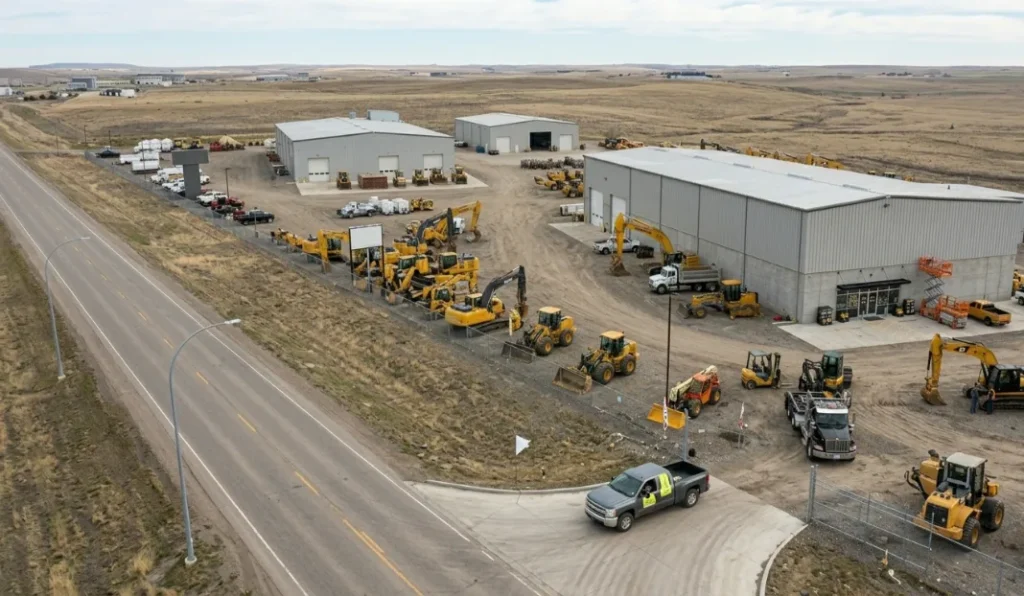
FSAK Contracting, headquartered on An Nasr Road in Riyadh, provides heavy equipment rental in Riyadh with daily, weekly, and monthly rental terms. The fleet covers excavators, cranes, bulldozers, graders, dump trucks, and more, all available with certified operators.
The Hidden Costs of Equipment Ownership That Are Often Overlooked
Many contractors focus solely on the purchase price when evaluating ownership. However, the true cost goes well beyond the initial invoice:
- Annual insurance premiums, which can be substantial for high-value machinery.
- Regular servicing and unplanned repairs, especially in Saudi Arabia’s harsh desert conditions.
- Secure storage facilities during idle periods between projects.
- Depreciation, which reduces the asset’s balance-sheet value year after year.
- Transportation costs when moving owned equipment between project sites across the Kingdom.
With rental, these costs are absorbed by the provider. Contractors simply pay a transparent rental fee and focus on what they do best: building. For those involved in earth and enabling works or road, bridges, and tunnel projects, rental remains the most practical approach.
How to Decide: A Simple Framework
To make the right decision, the following questions should be asked:
1. What is the project duration? If it is under 12 months, renting is almost always more economical.
2. How frequently will the equipment be used? If utilisation is below 60 to 70 percent, rental is the better financial choice.
3. Does the company have in-house maintenance capability? Without a dedicated team, the cost and hassle of maintaining owned equipment can quickly erode margins.
4. Is cash flow a priority? Renting preserves working capital and keeps the balance sheet lean, which is critical for securing future contracts.
5. Are multiple types of equipment needed across different project phases? Rental provides the flexibility to swap machinery as requirements change.
For a deeper understanding of how to evaluate contractors and equipment partners in the Kingdom, this guide on choosing a construction contractor in Saudi Arabia is also worth reading.
Why FSAK Contracting Is the Right Equipment Rental Partner
Choosing the right rental provider is just as important as choosing between renting and buying. FSAK Contracting has served the Saudi construction sector for over 20 years, and here is what sets the company apart:
- A comprehensive fleet covering earthmoving, lifting, road construction, concrete works, and compaction machinery.
- Flexible rental terms: daily, weekly, or monthly, based on your project needs.
- Certified operators available with every rental, ensuring safe and efficient operation.
- Nationwide delivery across KSA, from Riyadh and Jeddah to Dammam and beyond.
- Every machine is owned, maintained, and operated by FSAK personnel. No subcontracting, no third parties.
Additionally, FSAK also provides complementary services such as manpower supply and utility installation, making it possible to source equipment, skilled workers, and infrastructure support from a single trusted partner.
Ready to Make the Smart Choice? Enquire About Equipment Today
Whether the goal is to reduce capital expenditure, improve project flexibility, or access better equipment without the burden of ownership, renting is increasingly becoming the preferred option for contractors across Saudi Arabia.
FSAK Contracting is ready to support your next project with reliable, well-maintained heavy equipment and experienced operators. Get in touch today to discuss your requirements, check fleet availability, and receive a competitive rental quotation.
Frequently Asked Questions
Should I buy or rent equipment?
For short to mid-term projects, renting is the better choice as it saves capital and removes maintenance costs. Buying only makes sense when utilisation consistently exceeds 70 to 80 percent. Most contractors in Saudi Arabia prefer renting through providers like FSAK Contracting.
What is the most profitable rental equipment?
Earthmoving equipment like excavators and bulldozers is the most profitable, capturing around 65 percent of Saudi Arabia’s rental market. Cranes and road construction machinery also generate strong returns due to Vision 2030 demand.
What is the largest heavy equipment rental company in the world?
United Rentals (USA) is the world’s largest, with over 1,500 locations. In Saudi Arabia, key players include Byrne Equipment Rental and Al Faris Group. For local reliability, FSAK Contracting delivers nationwide with certified operators.
What is the difference between equipment leasing and rental?
Rental is short-term (daily, weekly, monthly) with maintenance included. Leasing is a longer commitment (one to five years), where the lessee may handle maintenance. For project-based flexibility, rental from FSAK is the practical option.